



Why Do Your Joints Suddenly Feel Stiff During Menopause?
You wake up and your knees feel like they haven't been oiled. Your fingers are stiff. Your body aches even though you haven't done anything strenuous. If you're experiencing this at 45 or older — you're not alone.
Joint pain is one of the most common yet least talked about symptoms of menopause. According to research published in Climacteric: The Journal of the International Menopause Society, more than 50% of menopausal women report joint pain and muscle stiffness as their primary complaint — even more frequently than hot flashes.
What Does Estrogen Have to Do with Joint Pain?
Estrogen isn't just a reproductive hormone. It plays a critical role in:
- Maintaining synovial fluid — your joints' natural lubricant
- Reducing inflammation — estrogen has anti-inflammatory effects on joint tissue
- Preserving bone density — preventing the thinning that leads to osteoporosis
- Supporting collagen production — the protein that keeps joints and skin elastic
As estrogen levels decline during perimenopause and menopause, your body loses this natural protection. The result? Stiff joints, aching knees, and a body that feels heavy — especially in the morning.
Symptoms You Might Be Overlooking
Many women don't connect these complaints to menopause. They assume it's "just aging" or "not enough exercise." But there's a clear pattern:
- Morning stiffness that improves after 30-60 minutes of movement
- Pain in knees, fingers, and shoulders — areas rich in estrogen receptors
- Unexplained aching that comes without obvious cause
- Joints that feel "heavy" — as if something is pressing from the inside
- Symptoms that worsen in cold weather or after prolonged sitting
If you recognize 2-3 of these symptoms and you're between 45 and 65, it's very likely linked to hormonal changes — not simply getting older.
What Can You Do Naturally?
The good news: there are proven natural steps that help reduce menopause-related joint pain.
1. Gentle Movement Every Morning
Don't wait for the pain to go away before you move. Light activity like a 15-minute walk or gentle stretching in the morning helps circulate synovial fluid to your joints. Consistency matters more than intensity.
2. Natural Anti-Inflammatory Support
Chronic low-grade inflammation is the primary driver of joint pain during menopause. Foods and supplements with natural anti-inflammatory properties can help reduce this inflammation from within.
3. Adequate Calcium and Vitamin D
Bone density drops sharply after menopause. Make sure you're getting enough calcium (at least 1,200 mg/day) and vitamin D (800-1,000 IU/day), whether through food or supplements.
4. Reduce Inflammatory Foods
Excess sugar, processed foods, and repeatedly used cooking oils can worsen inflammation. Replace them with antioxidant-rich alternatives — leafy greens, berries, fatty fish, and nuts.
The Role of Moringa Leaf for Joint Pain During Menopause
Moringa leaf (Moringa oleifera) has been the subject of more than 1,300 scientific studies in the past decade. For menopausal women experiencing joint pain, several findings are particularly relevant:
Powerful Anti-Inflammatory Properties
Research published in the Journal of Inflammation shows that isothiocyanates in moringa leaf — specifically the compound moringin — can inhibit the COX-2 enzyme and other inflammatory mediators. This is the same mechanism used by anti-inflammatory medications, but through a natural pathway.
92 Nutrients in a Single Leaf
Moringa leaf contains:
- Calcium — 4x more than milk (per gram of dry weight)
- Vitamin K — essential for bone metabolism
- Quercetin — an antioxidant flavonoid that supports joint health
- Essential amino acids — all 9, including those needed for collagen regeneration
- Iron — 25x more than spinach, critical for energy
Support for Bone Density
A study in the Journal of Bone and Mineral Research found that regular moringa consumption may help maintain bone mineral density — a critical factor for postmenopausal women at risk of osteoporosis.
How to Get Started
If you're interested in trying moringa to help manage joint pain during menopause, here's a practical guide:
Choose the Right Product
- Look for regulatory certification — this ensures the product has passed safety and quality testing
- Organic and stem-free — moringa stems contain tough fiber that reduces purity and nutrient potency
- No fillers or additives — many moringa capsules on the market contain bulking agents
- Single-origin, traceable — know where your moringa comes from and how it's processed
Suggested Starting Dose
For beginners, start with 1 to 2 capsules per day (approximately 1 gram of pure moringa leaf powder) taken after breakfast. After a few days, you can increase to 3 capsules per day based on your needs.
When Can You Expect to Feel a Difference?
Based on consumer experience:
- Week 1-2: Energy begins to improve, sleep becomes deeper
- Week 3-4: Morning stiffness starts to decrease
- Month 2-3: Consistent improvement in joint pain and mobility
Note: Results vary by individual. Moringa is a nutritional supplement, not a replacement for medical treatment.
Frequently Asked Questions
Is moringa only for menopausal women?
No. Moringa is a nutritional supplement that benefits all ages and genders. However, its anti-inflammatory, calcium, and antioxidant content is particularly relevant to the specific needs of women going through menopause and perimenopause.
Is it safe to take alongside prescription medication?
Moringa is generally safe to consume alongside other medications. However, if you're taking blood thinners, diabetes medication, or blood pressure medication, consult your doctor first — moringa also has natural effects on all three conditions.
Are capsules or powder better for menopause?
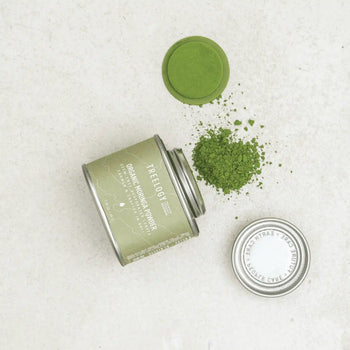
Both contain the same nutrients since they come from the same leaf. Capsules are more convenient for daily routines and offer precise dosing. Powder is more versatile — it can be mixed into smoothies, juices, or food. Choose whichever fits your lifestyle best.
How long should I take moringa to feel the joint benefits?
Most users notice a difference in morning stiffness within the first 2-4 weeks. For optimal joint and bone health benefits, consistent daily use for at least 3 months is recommended.
The Bottom Line
Joint pain during menopause isn't something you have to simply accept. Your body is going through a major hormonal shift, and your joints are responding to that change.
With a combination of regular movement, natural anti-inflammatory support, and the right nutrition — like organic moringa leaf — you can reclaim the physical comfort that may have been missing for too long.
Because health isn't about looking younger. It's about the freedom to move without your body holding you back.
This article is for educational purposes and is not a substitute for professional medical advice. If you experience severe or persistent joint pain, please consult your healthcare provider.